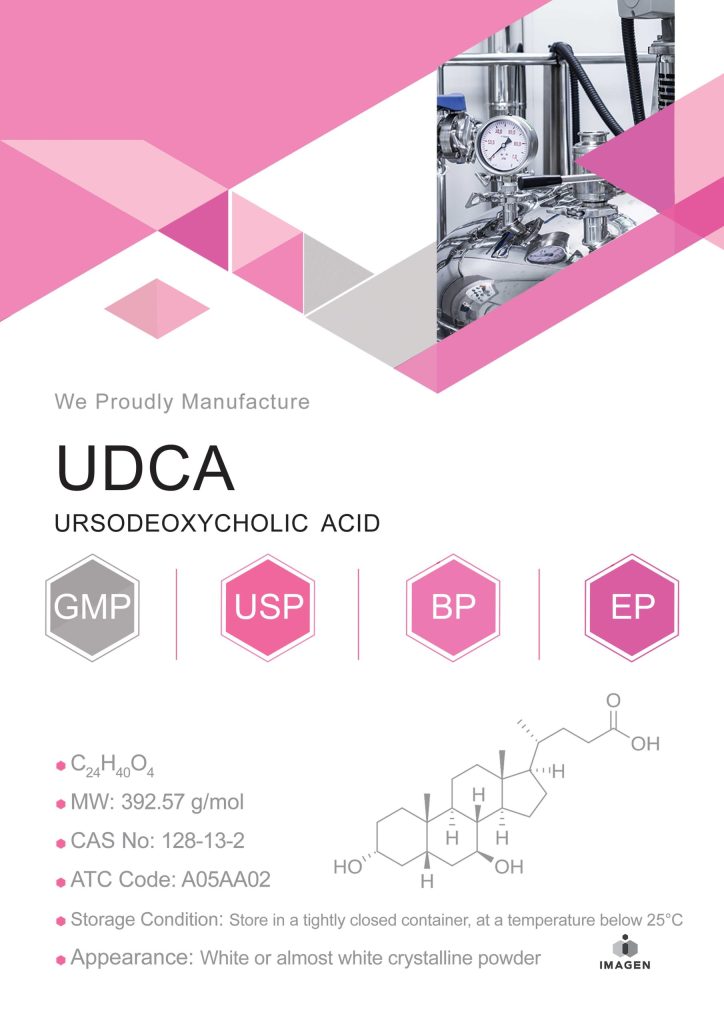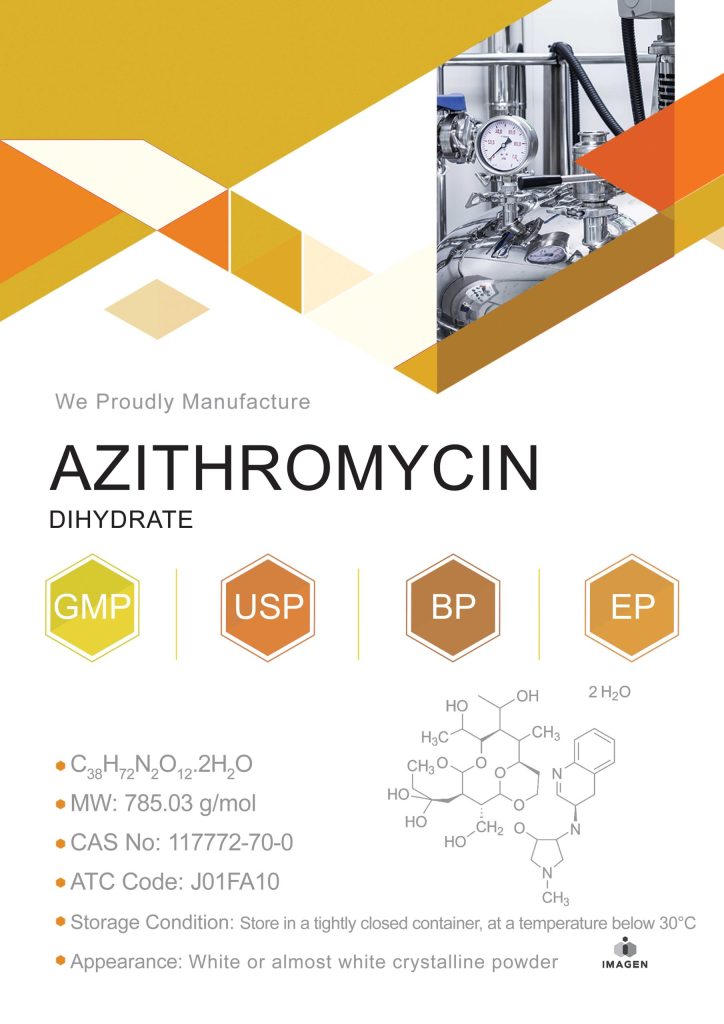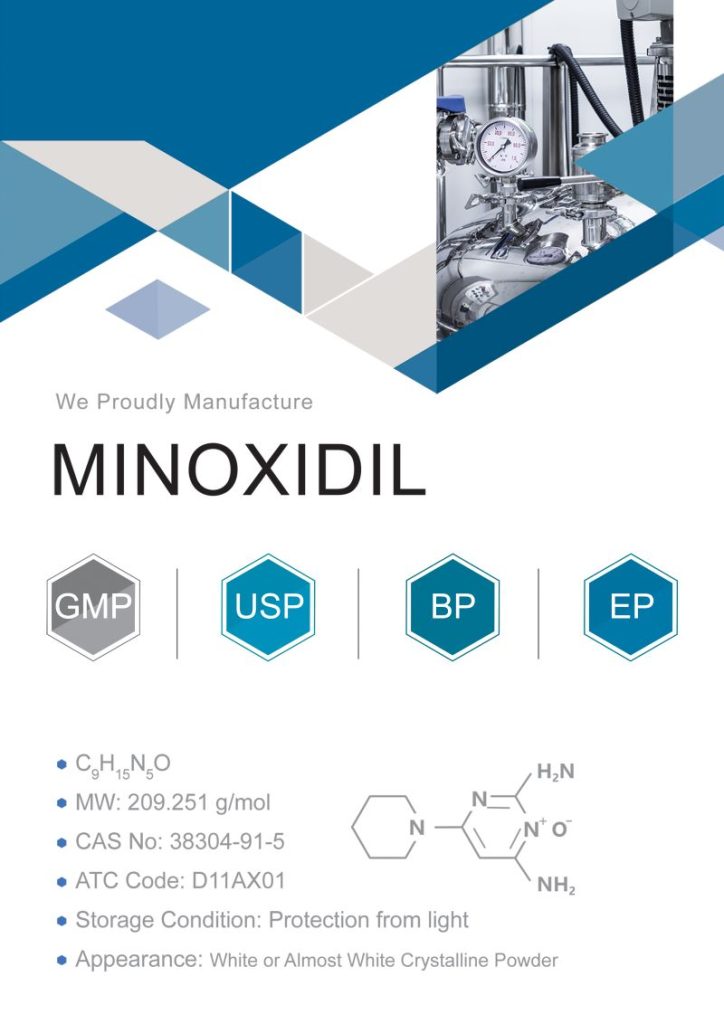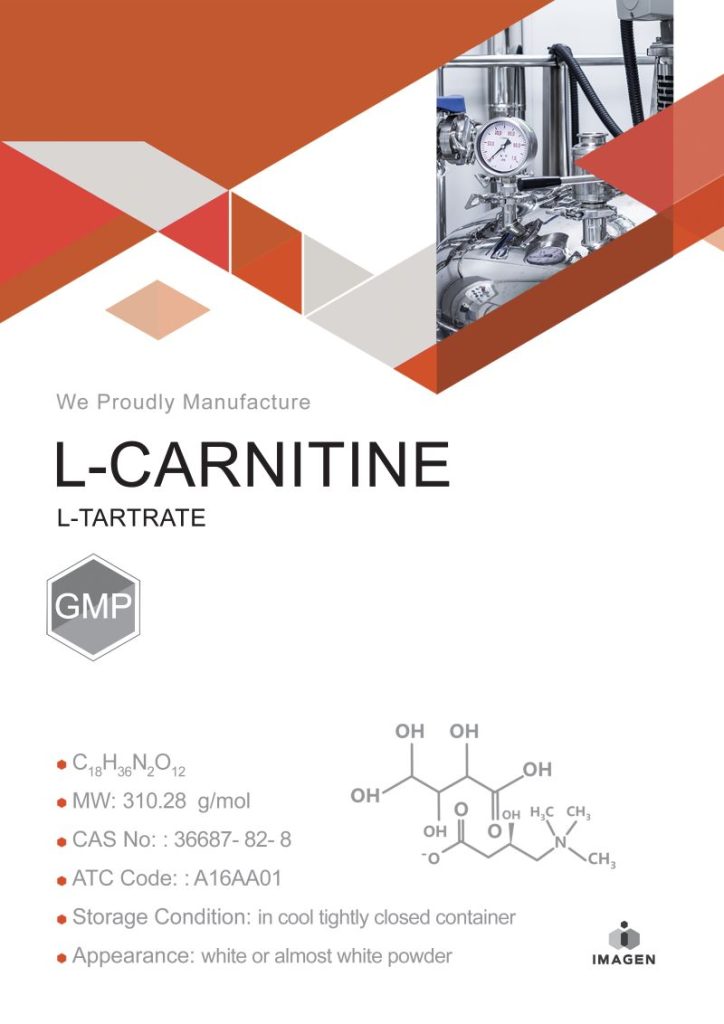

The pharmaceutical industry in the Middle East is entering a new stage of development.
Growing demand for medicines, increasing healthcare expenditure, efforts to strengthen local manufacturing, and concerns about pharmaceutical supply chain resilience are encouraging countries across the region to invest more heavily in domestic pharmaceutical production.
One of the most important parts of this pharmaceutical ecosystem is the production of Active Pharmaceutical Ingredients (APIs).
APIs are the substances responsible for the primary therapeutic effect of pharmaceutical products. Therefore, reliable access to high-quality APIs is essential for the production of medicines such as tablets, capsules, injectables, and other pharmaceutical dosage forms.
The importance of local pharmaceutical manufacturing has become increasingly visible at the global and regional level. The World Health Organization has emphasized local production, technology transfer, research and development, regulatory capacity, and resilient supply chains as important elements of pharmaceutical security.
This creates an important question:
What is the future of pharmaceutical API manufacturing in the Middle East, and what opportunities could this market create for pharmaceutical raw material manufacturers such as Imagen Pharma?
What Are Pharmaceutical APIs?
An Active Pharmaceutical Ingredient (API) is the component of a pharmaceutical product that produces the intended therapeutic effect.
APIs can be manufactured through different chemical, biological, or other specialized processes depending on the characteristics of the substance.
The manufacturing process may involve several stages, including:
- Selection and testing of starting materials
- Chemical or biological processing
- Purification
- Isolation
- Drying
- Milling or other physical processing
- Quality control
- Packaging and storage
Because APIs directly contribute to the therapeutic performance of medicines, their quality and consistency are critical to pharmaceutical manufacturing.
Why Is API Manufacturing Important for the Middle East?
The pharmaceutical supply chain in the Middle East depends on a combination of local production and international sourcing.
However, heavy reliance on imports can expose pharmaceutical manufacturers to risks associated with international logistics, supply disruptions, price fluctuations, and geopolitical or economic changes.
The WHO Eastern Mediterranean Region has identified heavy reliance on imports, inefficient supply systems, regulatory challenges, inadequate infrastructure, and limited regional collaboration among barriers to access to essential medical products.
Developing stronger regional pharmaceutical manufacturing capabilities can therefore contribute to a more resilient pharmaceutical ecosystem.
The Growing Importance of Local Pharmaceutical Production
Local production is increasingly being considered as part of a broader strategy for pharmaceutical security.
The objective is not necessarily to manufacture every pharmaceutical product domestically. Instead, countries can focus on developing strategic capabilities in areas where local or regional manufacturing can significantly improve supply resilience.
These areas can include:
- Pharmaceutical APIs
- Generic medicines
- Vaccines
- Biological products
- Biosimilars
- Pharmaceutical intermediates
- Excipients
- Specialized pharmaceutical technologies
WHO’s local-production initiatives emphasize ecosystem development rather than focusing exclusively on individual manufacturing facilities. This approach includes R&D, technology transfer, workforce development, regulation, financing, manufacturing capacity, and supply-chain infrastructure.
The Pharmaceutical API Market in the Middle East
The Middle East is not a single pharmaceutical market.
Countries in the region differ significantly in terms of:
- Population
- Healthcare infrastructure
- Pharmaceutical manufacturing capacity
- Regulatory systems
- Investment
- Research capabilities
- Import dependency
- Export potential
For this reason, pharmaceutical API manufacturers need to evaluate each target market individually.
Nevertheless, one broader trend is becoming increasingly important:
The movement toward stronger domestic and regional pharmaceutical manufacturing capabilities.
The WHO has reported progress in local pharmaceutical and medical-product manufacturing across several countries in the Eastern Mediterranean Region. Egypt, Jordan, Saudi Arabia, the United Arab Emirates, Iran, Morocco, Pakistan, and Tunisia are among the countries highlighted in different aspects of pharmaceutical production, regulation, technology, or manufacturing development.
Key Countries in the Middle Eastern Pharmaceutical Industry
Iran
Iran has a long history in pharmaceutical manufacturing and has developed capabilities in pharmaceutical production, biotechnology, infrastructure, and technology acquisition.
The WHO has specifically noted Iran’s progress in infrastructure, institutional development, and technology acquisition and transfer in the pharmaceutical and biopharmaceutical sector.
This creates a foundation for Iranian companies to explore opportunities beyond the domestic market, particularly in neighboring and regional markets.
Saudi Arabia
Saudi Arabia has been investing in pharmaceutical localization as part of its broader industrial and healthcare development strategy.
According to the WHO, pharmaceutical manufacturing localization contributed to reducing Saudi Arabia’s reliance on pharmaceutical imports from 80% in 2019 to 70% in 2023.
This trend highlights the increasing strategic importance of domestic pharmaceutical manufacturing in the region.
United Arab Emirates
The United Arab Emirates is also developing capabilities in advanced pharmaceutical and biotechnology sectors.
The WHO has highlighted investment in biotechnology and AI-driven drug development in the UAE.
The country’s role as a regional business and logistics hub could also support pharmaceutical trade and partnerships across the Middle East and beyond.
Egypt
Egypt has one of the most developed pharmaceutical manufacturing sectors in the Arab world.
The WHO identifies Egypt as the largest pharmaceutical producer in the Arab world and notes its continued investment in domestic medicine and vaccine manufacturing.
This makes Egypt an important market to consider when analyzing the future of pharmaceutical manufacturing and API supply in the region.
Jordan
Jordan is another important pharmaceutical manufacturing and export hub.
According to the WHO, Jordanian pharmaceutical companies export to more than 60 countries, including markets in the United States and European Union.
This demonstrates that pharmaceutical manufacturing in the Middle East can serve not only domestic markets but also international customers.
Can the Middle East Become a Major API Manufacturing Hub?
The Middle East has the potential to strengthen its role in pharmaceutical manufacturing, but becoming a major API hub requires more than building manufacturing facilities.
A competitive pharmaceutical ecosystem requires cooperation between:
- API manufacturers
- Pharmaceutical companies
- Research institutions
- Universities
- Analytical laboratories
- Regulatory authorities
- Technology providers
- Investors
- Logistics companies
- Skilled professionals
WHO’s approach to local pharmaceutical production similarly emphasizes the importance of an ecosystem covering research and development, technology transfer, manufacturing, regulation, financing, and supply chains.
Therefore, the future of API manufacturing in the Middle East will depend heavily on the development of this broader ecosystem.
Quality as a Competitive Advantage in API Manufacturing
Quality is one of the most important factors determining the competitiveness of pharmaceutical API manufacturers.
Pharmaceutical companies do not select API suppliers based solely on price.
They may also evaluate:
- API purity
- Impurity profile
- Technical specifications
- Batch-to-batch consistency
- Stability
- Analytical methods
- Documentation
- Manufacturing standards
- Supply reliability
- Quality management systems
For this reason, manufacturers seeking to enter international pharmaceutical markets need to view quality as a strategic competitive advantage rather than simply a regulatory requirement.
The Role of GMP in Middle Eastern API Manufacturing
Good Manufacturing Practice (GMP) is a fundamental component of pharmaceutical manufacturing.
GMP helps establish controlled manufacturing systems covering areas such as:
- Raw materials
- Manufacturing processes
- Equipment
- Personnel
- Documentation
- Quality control
- Storage
- Packaging
- Distribution
For API manufacturers, a strong GMP-based quality system can improve manufacturing consistency, traceability, and customer confidence.
International pharmaceutical customers increasingly expect suppliers to demonstrate robust quality systems and appropriate manufacturing controls.
Therefore, strengthening GMP capabilities will remain an important factor in the development of pharmaceutical API manufacturing in the Middle East.
Research and Development: The Future of API Manufacturing
Research and Development (R&D) will play an increasingly important role in the future of the pharmaceutical raw materials industry.
Traditional manufacturing capabilities alone may not be sufficient for companies seeking to compete in specialized and international markets.
R&D can support:
Process Development
Developing efficient and scalable manufacturing routes.
Process Optimization
Improving yield, efficiency, and consistency.
Impurity Control
Understanding and controlling impurities generated during manufacturing.
Cost Reduction
Optimizing raw material consumption, energy use, and production time.
New Product Development
Developing APIs and pharmaceutical intermediates that address emerging market needs.
Strong cooperation between R&D, Production, Quality Control, and Quality Assurance can create a more efficient and reliable manufacturing system.
Technology and the Future of API Manufacturing
Technology is expected to have an increasing impact on pharmaceutical API manufacturing.
Several technologies could influence the industry over the coming years.
Artificial Intelligence
AI can support pharmaceutical R&D, data analysis, process optimization, and decision-making.
Automation
Automation can improve process consistency, operational efficiency, and manufacturing control.
Advanced Analytical Technologies
Modern analytical techniques can help manufacturers better characterize APIs and monitor impurities.
Nanotechnology
Nanotechnology may contribute to the development of advanced pharmaceutical materials and drug-delivery technologies.
Digital Manufacturing
Digital systems can improve data management, traceability, monitoring, and supply-chain visibility.
These technologies could gradually move the Middle Eastern pharmaceutical industry toward more specialized and knowledge-intensive manufacturing.
Major Challenges Facing API Manufacturing in the Middle East
Despite significant opportunities, the development of the pharmaceutical API industry also faces several challenges.
Regulatory Differences
Pharmaceutical regulations can vary from one country to another.
Manufacturers seeking to export APIs therefore need to understand the regulatory requirements of each target market.
High Capital Requirements
API manufacturing facilities, analytical laboratories, quality systems, and specialized equipment require significant investment.
Technology Access
Some API manufacturing processes require advanced technologies, specialized equipment, and highly developed technical knowledge.
Technology transfer and technical cooperation can therefore play an important role in regional pharmaceutical development.
Skilled Workforce
API manufacturing requires specialists in areas such as:
- Pharmaceutical chemistry
- Chemical engineering
- Analytical chemistry
- Quality Control
- Quality Assurance
- Process development
- Research and Development
Building and retaining specialized talent will be essential for the long-term development of the industry.
Opportunities for Iranian API Manufacturers
Iran’s existing pharmaceutical manufacturing capabilities create opportunities for companies seeking to expand into regional markets.
Geographical proximity to several Middle Eastern and neighboring markets can be an advantage.
However, successful regional expansion requires more than geographical access.
Iranian API manufacturers need to focus on:
- Consistent quality
- Competitive pricing
- Regulatory compliance
- Technical documentation
- Reliable supply
- International business development
- B2B marketing
- Customer relationships
- Product specialization
For companies with strong technical capabilities, regional markets can provide an opportunity to diversify sales beyond the domestic pharmaceutical market.
Pharmaceutical API Exports from Iran
Pharmaceutical API exports can become an important growth opportunity for Iranian manufacturers.
Potential markets may include countries across the Middle East, Central Asia, North Africa, and other nearby regions.
However, successful API export requires a structured approach.
A manufacturer should:
- Identify appropriate target markets.
- Understand local regulatory requirements.
- Prepare technical and quality documentation.
- Ensure consistent production capacity.
- Maintain stable product quality.
- Develop B2B sales channels.
- Build long-term relationships with pharmaceutical manufacturers.
In other words, successful API export is not simply about selling a product internationally.
It is about becoming a reliable long-term pharmaceutical supply partner.
Imagen Pharma and the Future of Pharmaceutical Raw Materials
The development of a competitive pharmaceutical API industry requires companies that combine manufacturing capabilities with quality, technical expertise, research, and continuous improvement.
Imagen Pharma operates in the pharmaceutical raw materials sector with a focus on developing pharmaceutical manufacturing capabilities and supporting the production of quality pharmaceutical ingredients.
For a company such as Imagen, regional growth can involve more than increasing production capacity.
Building a strong B2B pharmaceutical brand also requires:
- Consistent product quality
- Technical expertise
- Reliable supply
- Research and development
- Quality management
- Customer support
- International business development
These capabilities can help position Imagen Pharma as a potential partner for pharmaceutical manufacturers looking for reliable sources of pharmaceutical raw materials and APIs.
The Role of Regional Cooperation
One of the important opportunities for the Middle Eastern pharmaceutical industry is increased cooperation between countries.
Regional cooperation can take different forms, including:
- Technology transfer
- Joint ventures
- Contract manufacturing
- R&D partnerships
- Regulatory cooperation
- Regional supply agreements
- Knowledge exchange
The WHO has highlighted regulatory cooperation, technology transfer, local production, and regional collaboration as important elements in strengthening pharmaceutical access and resilience.
Greater cooperation could help companies access larger markets and reduce some of the barriers associated with operating independently in multiple countries.
Sustainability and Green Pharmaceutical Manufacturing
Sustainability is also becoming increasingly important in pharmaceutical manufacturing.
Future API production may place greater emphasis on:
- Reduced waste
- Lower energy consumption
- Efficient use of raw materials
- Safer manufacturing processes
- Reduced environmental impact
- Sustainable production systems
The WHO’s 2025 World Local Production Forum specifically included green production among its strategic recommendations for sustainable local manufacturing ecosystems.
For API manufacturers, sustainability can therefore become both an environmental responsibility and a long-term operational strategy.
The Future of Pharmaceutical API Manufacturing in the Middle East
Several major trends are likely to shape the future of the industry.
1. Greater Local Production
Countries are likely to continue investing in domestic pharmaceutical manufacturing to improve supply resilience.
2. Stronger Regional Supply Chains
Regional production and cooperation could reduce dependence on distant suppliers.
3. Increased Investment in R&D
Companies will need stronger R&D capabilities to develop competitive and specialized products.
4. Higher Quality Expectations
GMP, quality control, documentation, traceability, and regulatory compliance will become increasingly important.
5. Growth of Pharmaceutical Exports
Manufacturers with competitive products and strong quality systems may expand into regional and international markets.
6. Digital Transformation
AI, automation, digital quality systems, and advanced analytical technologies are likely to become increasingly important.
7. Specialized API Manufacturing
The market may gradually shift toward higher-value, specialized, and technology-intensive pharmaceutical ingredients.
What Will Determine the Winners in the Middle Eastern API Market?
The companies that succeed in the future pharmaceutical raw materials market are unlikely to be those competing only on price.
Instead, successful API manufacturers will need to combine:
Quality + Technology + R&D + GMP + Manufacturing Capacity + Regulatory Expertise + Reliable Supply + B2B Marketing
This combination can create a stronger competitive position in both domestic and international markets.
For Iranian manufacturers, this approach can also provide a pathway toward stronger participation in regional pharmaceutical supply chains.
Conclusion
The future of pharmaceutical API manufacturing in the Middle East is closely connected to pharmaceutical security, local production, technological development, and regional cooperation.
Growing demand for medicines and increasing attention to supply-chain resilience are encouraging countries to strengthen domestic and regional pharmaceutical manufacturing capabilities.
The region already includes important pharmaceutical manufacturing markets such as Iran, Saudi Arabia, Egypt, Jordan, and the United Arab Emirates, each with different strengths and development priorities.
For Iran, the combination of pharmaceutical manufacturing experience, technical expertise, research capabilities, and geographical proximity to regional markets creates opportunities for further development.
However, long-term success will require more than production capacity.
Companies will need to invest in:
GMP, Quality Control, Research & Development, technology, skilled personnel, regulatory compliance, export capabilities, and international B2B marketing.
For companies such as Imagen Pharma, this evolving environment can create opportunities to strengthen their position in the pharmaceutical raw materials market and develop long-term relationships with pharmaceutical manufacturers in the region and international markets.
The future of the Middle Eastern API industry will ultimately belong to companies that can move beyond being simple manufacturers and become reliable, quality-focused, technology-driven pharmaceutical supply partners.
Frequently Asked Questions
What is the future of pharmaceutical API manufacturing in the Middle East?
The Middle Eastern API industry has significant development potential due to growing pharmaceutical demand, efforts to strengthen local production, supply-chain resilience, and increasing investment in pharmaceutical manufacturing.
Which Middle Eastern countries have strong pharmaceutical manufacturing capabilities?
Iran, Saudi Arabia, Egypt, Jordan, and the United Arab Emirates are among the countries with significant pharmaceutical manufacturing capabilities or ongoing investments in pharmaceutical development. Their capabilities and areas of specialization vary.
Can Iran become a major API supplier in the Middle East?
Iran has pharmaceutical manufacturing experience, technical expertise, and regional market access. Expanding its role as an API supplier will depend on quality, regulatory compliance, competitive pricing, reliable supply, technical documentation, and international business development.
Why is local API production important?
Local API production can contribute to stronger pharmaceutical supply chains and reduce some risks associated with excessive dependence on international suppliers. WHO identifies local production as an important component of strengthening access and health security.
What role does GMP play in API manufacturing?
GMP provides a framework for controlled pharmaceutical manufacturing, including production processes, documentation, quality control, equipment, personnel, storage, and other quality-related activities.
How important is R&D for the future of API manufacturing?
R&D is essential for process development, impurity control, manufacturing optimization, new product development, cost reduction, and improving the competitiveness of pharmaceutical API manufacturers.