Choosing a pharmaceutical raw material supplier is not simply a purchasing decision.
For pharmaceutical manufacturers, the quality and consistency of raw materials and APIs can directly affect manufacturing operations, product quality, and supply-chain reliability.
For this reason, pharmaceutical companies should evaluate more than price and delivery time when selecting an API supplier.
Quality systems, technical specifications, manufacturing capacity, batch consistency, documentation, traceability, technical support, and long-term supply capabilities should also be considered.
What Is a Pharmaceutical Raw Material Supplier?
A pharmaceutical raw material supplier is a company that provides materials required for pharmaceutical manufacturing.
In the case of APIs, the supplier may be the original API manufacturer or another company involved in the pharmaceutical supply chain.
From a buyer’s perspective, understanding whether the supplier is the original manufacturer or an intermediary can be important because access to technical information, manufacturing data, documentation, and technical communication may differ.
Why Is API Supplier Selection Important?
A reliable supplier can contribute to a more stable pharmaceutical supply chain.
An unsuitable supplier may create challenges such as:
- Batch-to-batch variability
- Supply delays
- Insufficient technical documentation
- Communication problems
- Difficult quality investigations
- Specification mismatches
- Limited manufacturing capacity
Supplier evaluation should therefore take place before purchasing and continue throughout the business relationship.
10 Important Criteria for Choosing an API Supplier
- Quality Management System
One of the first areas to evaluate is the supplier’s quality system.
For APIs, appropriate controls for manufacturing, testing, documentation, and product release are particularly important.
Knowledge and implementation of relevant GMP principles and API-specific guidance such as ICH Q7 may also be considered when evaluating an API manufacturer.
- Product Specifications
The technical requirements of the API should be clearly defined before purchasing.
Depending on the product, this information may include:
- Product name
- Chemical name
- CAS number
- Assay
- Purity
- Impurity profile
- Storage conditions
- Packaging
- Analytical methods
The supplier should be able to provide appropriate technical information for customer evaluation.
- Batch-to-Batch Consistency
One of the important characteristics of an API manufacturer is the ability to maintain consistent quality across different production batches.
Significant variability between batches can create challenges for pharmaceutical manufacturing.
For this reason, quality records and relevant manufacturing information may be considered during supplier qualification.
- Manufacturing Capacity
A competitive price is not sufficient if a supplier cannot consistently provide the required quantity.
B2B pharmaceutical customers should evaluate the supplier’s manufacturing capacity and ability to support different order volumes.
Future scalability can also be an important consideration.
- Quality Documentation
Documentation is an essential part of pharmaceutical API sourcing.
Depending on the product and customer requirements, documentation may include:
- Certificate of Analysis (COA)
- Product specifications
- Packaging information
- Storage conditions
- Quality documentation
- Manufacturer information
Appropriate documentation makes supplier evaluation more transparent.
- Traceability
The supplier should maintain appropriate records related to the product and manufacturing batch.
Traceability is important because quality issues may require investigation of the product history and related manufacturing records.
- R&D Capabilities
Research and Development can become particularly important in long-term B2B relationships.
Some customers may require more than an existing commercial product. They may need process development, optimization, or technical support for a specific requirement.
An experienced R&D team can support these types of collaborations.
- Export and International Supply Capabilities
For international API sourcing, the supplier’s experience in global B2B cooperation becomes more relevant.
Areas such as:
- Export packaging
- Technical documentation
- Logistics
- B2B communication
- Destination-market requirements
may need to be considered.
- Technical Support
API sourcing does not end when an order is placed.
Customers may have questions about specifications, analytical methods, storage, packaging, or other technical matters.
Access to appropriate technical support can therefore be an important part of supplier selection.
- Long-Term Supply Capability
A suitable API supplier should be capable of supporting a long-term business relationship rather than only fulfilling a single order.
Consistent quality, communication, manufacturing capacity, technical support, and supply planning all contribute to long-term cooperation.
Direct API Manufacturer or Intermediary?
This is an important question for pharmaceutical buyers.
Working directly with an API manufacturer may provide more direct access to technical information and manufacturing teams.
However, regardless of the supply model, buyers should evaluate:
- Who is the original manufacturer?
- Where is the API manufactured?
- What documentation is available?
- What are the product specifications?
- How is quality controlled?
- What is the available manufacturing capacity?
What Documents Should Be Evaluated?
Documentation requirements vary depending on the API and the customer’s quality system.
However, information related to:
Product specifications + quality + testing + manufacturer + batch + storage + packaging
can be important for supplier qualification.
Is the Lowest API Price Always the Best Option?
Price is an important commercial factor, but it should not be the only criterion.
A lower-priced API may create additional costs if quality varies between batches, documentation is incomplete, or supply is unreliable.
A more complete supplier evaluation should consider price together with quality, technical requirements, capacity, and supply reliability.
How Should an API Supplier Be Evaluated?
The process can be divided into several stages.
Step 1: Define the Requirement
Clearly define the API, quantity, technical specifications, and quality requirements.
Step 2: Identify Potential Suppliers
Develop a list of qualified manufacturers and suppliers.
Step 3: Initial Supplier Assessment
Review the supplier’s experience, capacity, product portfolio, quality system, and target markets.
Step 4: Technical Assessment
Evaluate product specifications, analytical methods, technical documentation, and samples where appropriate.
Step 5: Quality Assessment
The customer’s quality and technical teams can perform the appropriate supplier and product evaluation.
Step 6: Commercial Qualification
After technical and quality requirements are addressed, commercial conditions such as price, order volume, delivery schedule, and supply terms can be established.
Choosing an API Supplier for Long-Term Cooperation
A successful long-term relationship requires more than a single high-quality shipment.
The supplier should be able to maintain product quality, manufacturing consistency, technical support, and supply reliability over time.
Supplier performance should therefore continue to be evaluated throughout the business relationship.
Imagen as an API Manufacturer
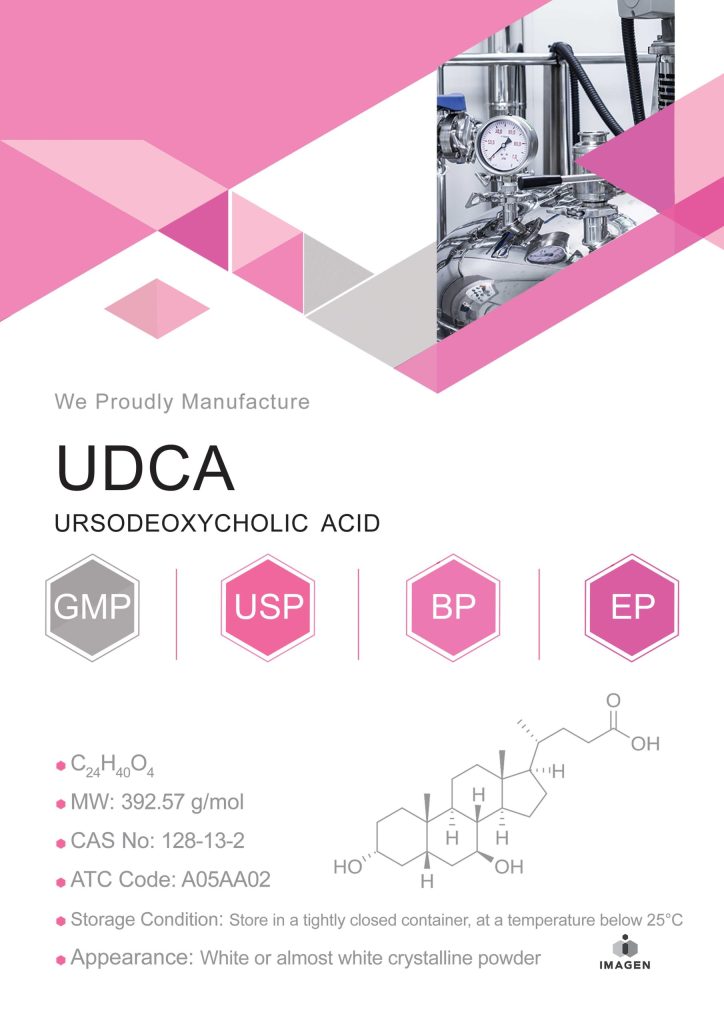
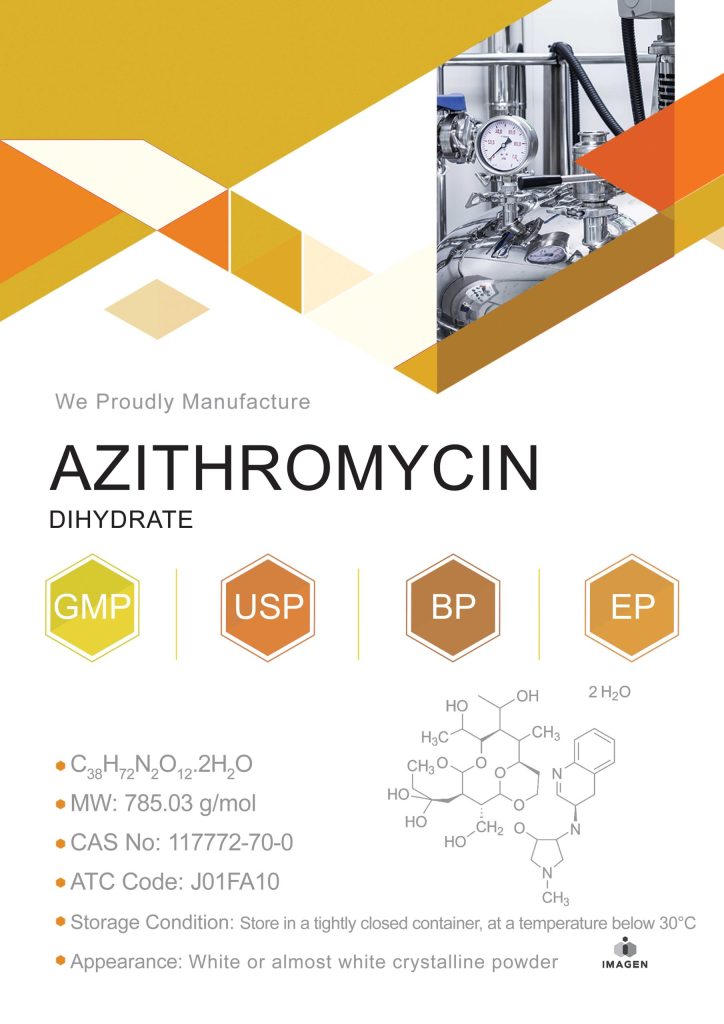
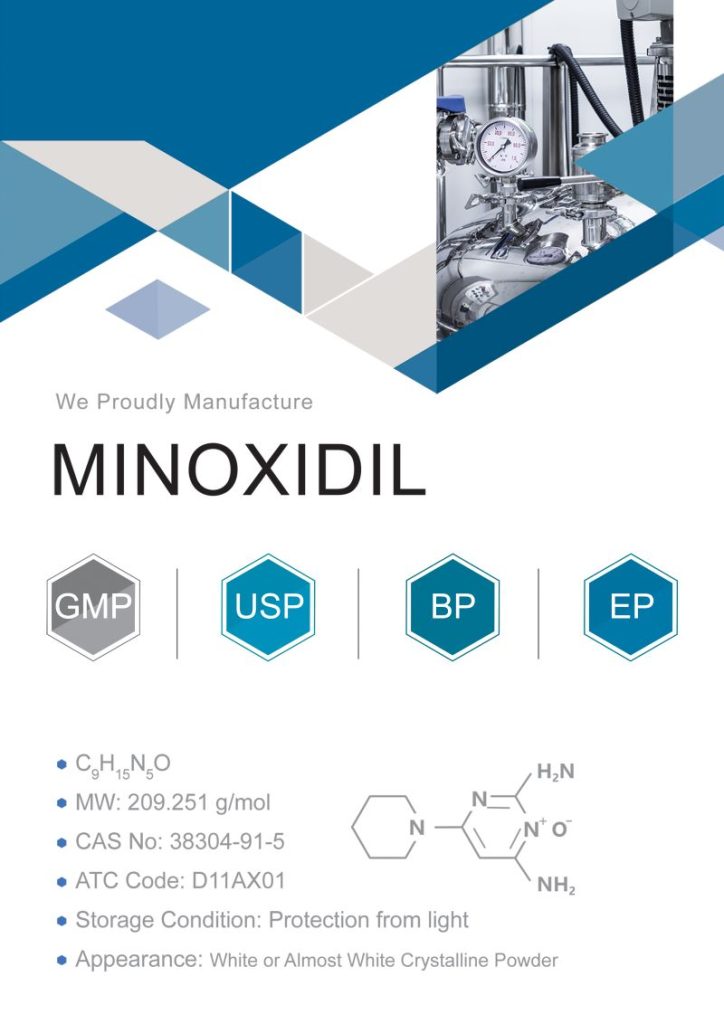
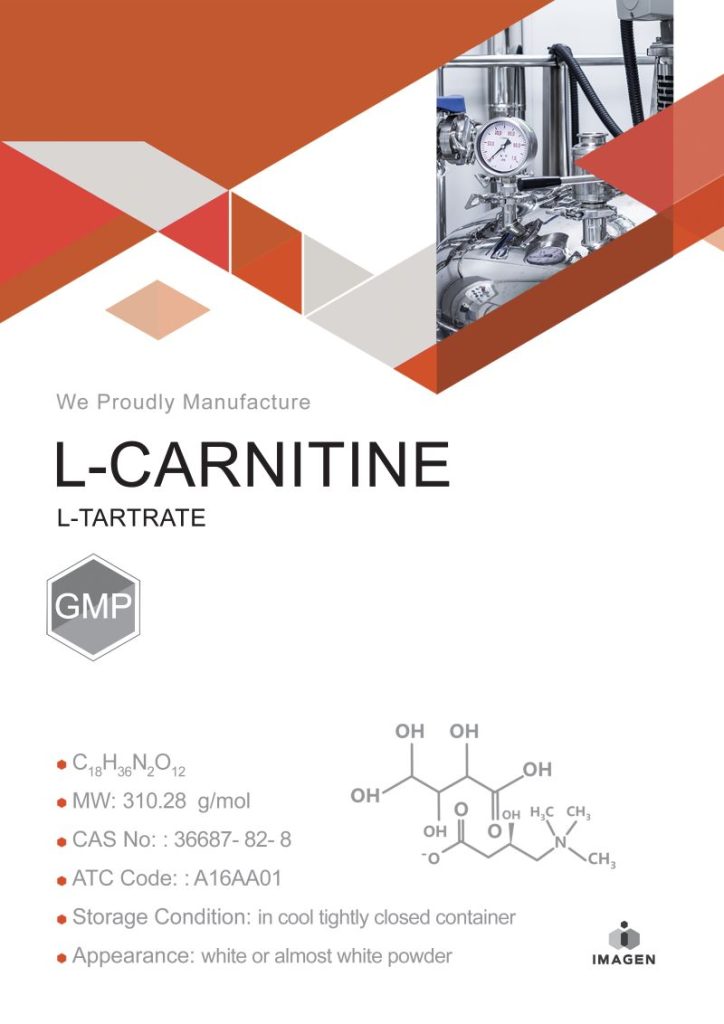
Imagen operates in the field of pharmaceutical API manufacturing and presents a focus on API production, research and development, and GMP-oriented manufacturing.
For pharmaceutical companies looking for API suppliers, reviewing the available product information, technical specifications, and direct communication with the company can be useful starting points for supplier evaluation.
Conclusion
Choosing a pharmaceutical raw material supplier should be based on a combination of commercial, technical, and quality criteria.
Quality management, technical specifications, batch consistency, manufacturing capacity, documentation, traceability, R&D capabilities, technical support, and long-term supply reliability are among the important areas to evaluate.
Ultimately, API sourcing is not only about purchasing a raw material. It is about building a reliable supply chain that can support consistent pharmaceutical manufacturing.
Frequently Asked Questions
What makes a good pharmaceutical raw material supplier?
A suitable supplier should have an appropriate quality system, clear technical specifications, reliable supply capabilities, proper documentation, and technical support.
Is it better to buy APIs directly from the manufacturer?
Direct sourcing can provide closer access to manufacturing and technical information, but supplier quality and supply capabilities should be evaluated regardless of the supply model.
What documents are important when purchasing an API?
Depending on the product, documents such as a COA, technical specifications, manufacturer information, storage requirements, and quality documentation may be required.
Is price the most important API supplier selection criterion?
No. Price should be evaluated together with quality, manufacturing consistency, documentation, capacity, and supply reliability.
How can an API supplier be evaluated?
Supplier evaluation can include assessment of the quality system, product specifications, documentation, samples, manufacturing capacity, supply history, and technical support.
Our Articles:
ICH Q7
Pharmaceutical API Export