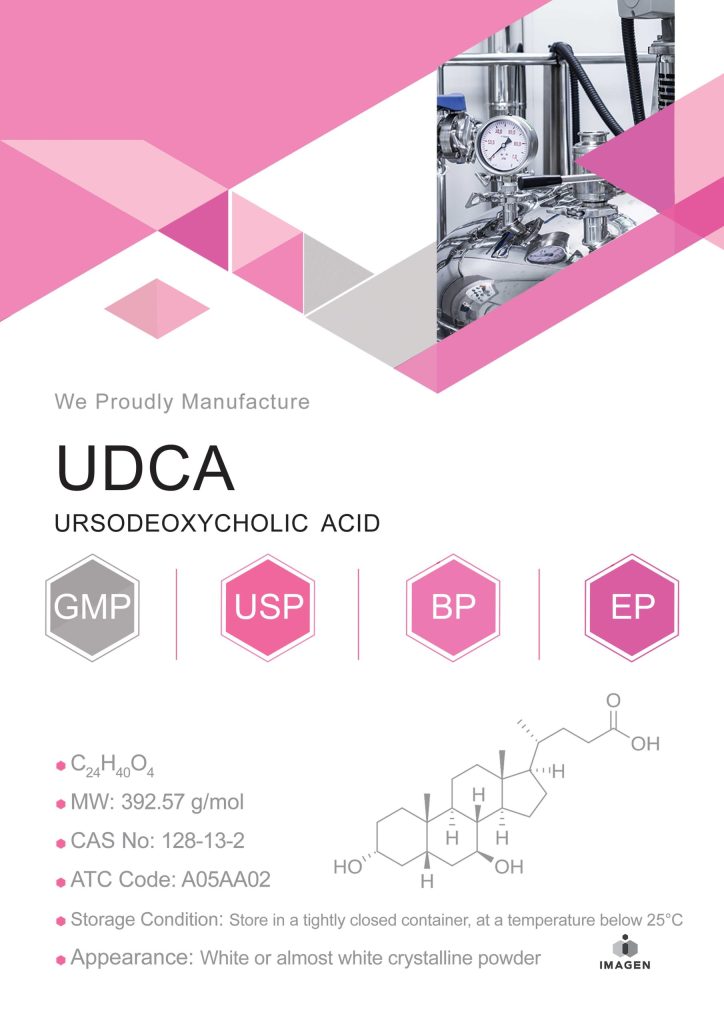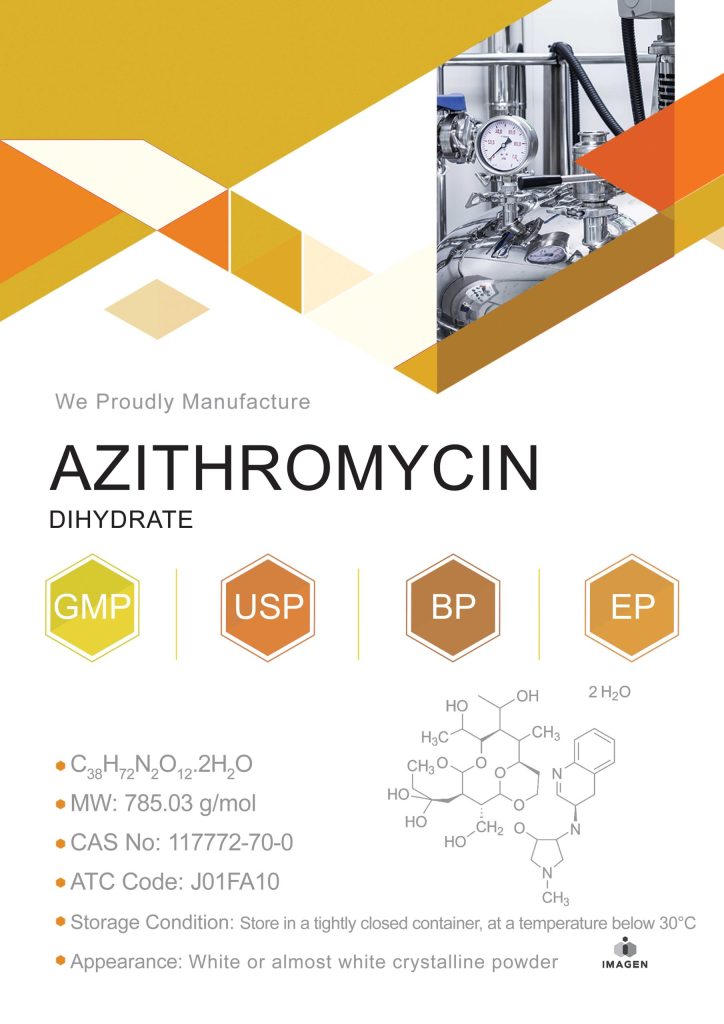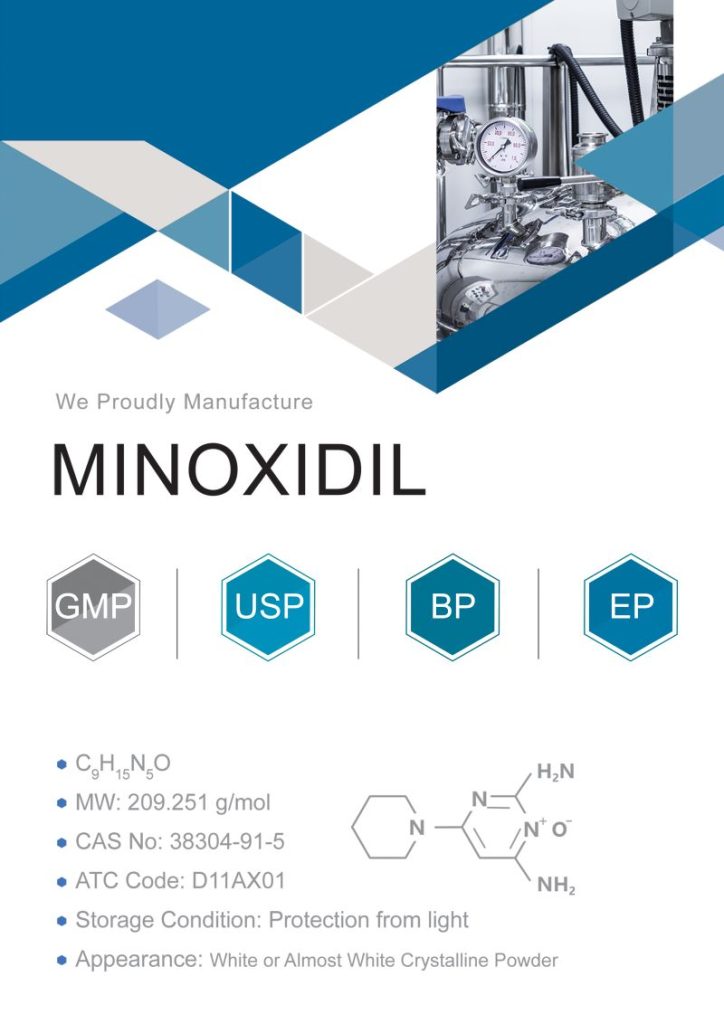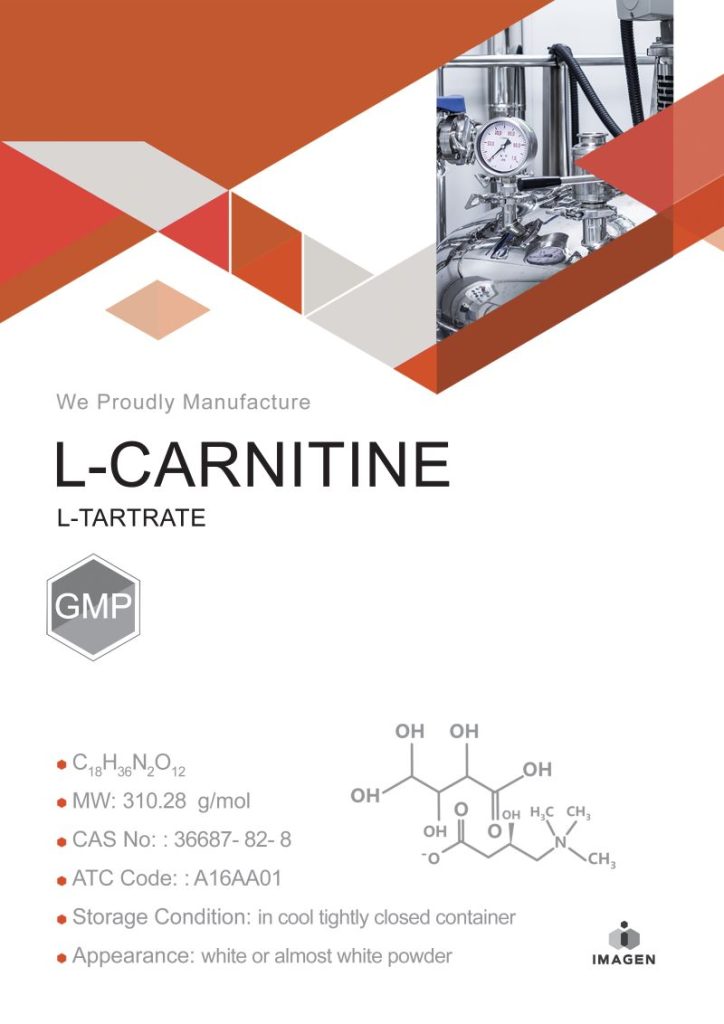

The quality of a pharmaceutical product begins long before the finished medicine reaches the market. It starts with the quality of the raw materials used during manufacturing.
Among these materials, Active Pharmaceutical Ingredients (APIs) are particularly important because they are responsible for the intended therapeutic effect of pharmaceutical products.
For this reason, Quality Control in API Manufacturing is one of the most critical components of the pharmaceutical supply chain.
Any variation or failure in API quality can potentially affect subsequent manufacturing processes and the quality of the finished pharmaceutical product.
Pharmaceutical API manufacturers therefore need robust quality systems covering manufacturing, laboratory testing, documentation, process control, and continuous improvement.
What Is Quality Control in Pharmaceutical API Manufacturing?
Quality Control (QC) is a set of laboratory and operational activities designed to evaluate whether pharmaceutical materials and products meet predefined quality specifications.
In API manufacturing, samples are tested at different stages of production to verify characteristics such as identity, purity, impurity levels, and other relevant physical and chemical properties.
Depending on the API, quality control may involve:
- Identity testing
- Purity testing
- Impurity analysis
- Physical property testing
- Chemical testing
- Stability testing
- Compliance with product specifications
The primary objective of QC is to ensure that materials released for further use meet the established quality requirements.
Why Is Quality Control Important in API Manufacturing?
APIs are essential components of pharmaceutical manufacturing, and their quality can directly influence the quality of the finished product.
Effective quality control helps manufacturers:
- Detect manufacturing problems
- Monitor impurities
- Maintain batch-to-batch consistency
- Verify product specifications
- Prevent non-conforming materials from progressing through the supply chain
Quality Control is therefore much more than laboratory testing. It is an essential part of a broader pharmaceutical quality management system.
Key Stages of Pharmaceutical API Quality Control
The exact QC process varies depending on the API, manufacturing process, specifications, and applicable requirements.
However, several fundamental activities are commonly involved.
- Sampling
The first step is obtaining representative samples from the manufactured material.
Proper sampling is essential because laboratory results are only meaningful when the sample accurately represents the batch being evaluated.
Poor sampling practices can lead to inaccurate conclusions about product quality.
- API Identification
One of the fundamental quality tests is confirming the identity of the pharmaceutical ingredient.
The purpose is to verify that the manufactured material corresponds to the intended chemical substance.
Appropriate analytical techniques are selected based on the characteristics and specifications of the API.
- Purity Testing
Purity is one of the most important quality attributes of an Active Pharmaceutical Ingredient.
During manufacturing, various by-products or impurities may be generated.
Therefore, analytical testing is required to determine the purity of the API and evaluate the level of relevant impurities.
Impurity Control in API Manufacturing
Impurities can originate from different stages of pharmaceutical production.
Potential sources include:
- Starting materials
- Side reactions
- Intermediates
- Degradation products
- Purification processes
- Storage conditions
For this reason, appropriate analytical methods are required to identify and control relevant impurities.
Effective impurity control contributes significantly to the overall quality and consistency of pharmaceutical APIs.
Physical and Chemical Testing of Pharmaceutical Raw Materials
Depending on the characteristics of an API, different physical and chemical tests may be performed.
These may include evaluation of:
- Appearance
- Identity
- Purity
- Moisture content
- Physical characteristics
- Chemical characteristics
- Related impurities
The specific tests should be established according to the technical specifications and applicable requirements of the pharmaceutical ingredient.
The Role of the Quality Control Laboratory in API Manufacturing
The Quality Control Laboratory is a critical component of a pharmaceutical API manufacturing organization.
The laboratory is responsible for conducting and documenting appropriate tests on materials and products.
Its activities may include:
- Testing starting materials
- Testing intermediates
- Testing finished API batches
- Evaluating retained samples
- Performing analytical tests
- Recording and reviewing laboratory results
The accuracy of laboratory equipment, analytical methods, and technical expertise of laboratory personnel all contribute to the reliability of QC results.
Quality Control (QC) vs. Quality Assurance (QA)
The terms Quality Control and Quality Assurance are closely related but have different functions.
Quality Control (QC)
QC primarily focuses on testing, measurement, and evaluation of products and materials.
Examples include:
- Purity testing
- Identity testing
- Impurity analysis
- Product specification testing
Quality Assurance (QA)
QA has a broader role and focuses on establishing systems and processes designed to ensure consistent quality.
QA activities may include:
- Documentation management
- Change control
- Deviation management
- Employee training
- Auditing
- Manufacturing process review
In simple terms:
QC evaluates product quality, while QA establishes and manages the systems required to consistently achieve that quality.
The Role of GMP in Pharmaceutical API Quality Control
Quality Control cannot function effectively in isolation from a well-controlled manufacturing system.
This is why Good Manufacturing Practice (GMP) plays an important role in pharmaceutical API manufacturing.
GMP principles address areas such as:
- Manufacturing process control
- Documentation
- Employee training
- Equipment control
- Contamination prevention
- Change management
- Process traceability
The combination of GMP, QC, and QA creates a comprehensive framework for pharmaceutical quality management.
Stability of Active Pharmaceutical Ingredients
API quality is not only important at the time of manufacturing. The material must also maintain its required characteristics throughout its intended storage period.
Stability studies can therefore be used to evaluate how an API behaves under defined conditions over time.
Stability information can help assess:
- Changes in product quality
- Formation of degradation products
- Appropriate storage conditions
- Product shelf life
These studies provide important information for maintaining API quality throughout the supply chain.
Quality Control and Pharmaceutical Supply Chain Safety
The pharmaceutical supply chain begins with raw material production and continues through manufacturing, packaging, distribution, and ultimately the use of the finished medicine.
If the quality of pharmaceutical raw materials is not adequately controlled at the beginning of the supply chain, quality issues may potentially affect subsequent manufacturing stages.
Effective API quality control therefore contributes to a more reliable pharmaceutical supply chain.
API manufacturers need to provide confidence that their products meet the agreed specifications and quality requirements expected by pharmaceutical manufacturers.
The Importance of Documentation in API Quality Control
Traceability is a fundamental principle of pharmaceutical manufacturing.
Manufacturing records, laboratory results, and information associated with individual production batches need to be properly documented and maintained.
Effective documentation helps organizations:
- Review manufacturing history
- Track analytical results
- Investigate deviations
- Manage changes
- Evaluate manufacturing processes
In pharmaceutical manufacturing, documentation is an integral part of the quality system.
The Role of R&D in Improving API Quality Control
Research & Development (R&D) is closely connected to pharmaceutical quality control.
When a new API manufacturing process is developed, analytical methods and product quality specifications also need to be established and evaluated.
R&D can contribute to:
- Analytical method development
- Impurity identification
- Process optimization
- Purity improvement
- Reduction of manufacturing variability
Close cooperation between R&D, Production, QC, and QA can contribute to more consistent and robust manufacturing processes.
Imagen’s Approach to Pharmaceutical API Quality
Quality needs to be considered throughout the entire API manufacturing process, from process development and raw material selection to production, testing, and documentation.
At Imagen Pharma, pharmaceutical raw material development and manufacturing are approached with an emphasis on quality, research and development, and continuous process improvement.
A quality-focused approach to API manufacturing can contribute to:
- Greater product reliability
- Stronger pharmaceutical supply chains
- Improved manufacturing consistency
- Greater confidence among industrial customers
For pharmaceutical companies, integrating R&D, Production, Quality Control, and Quality Assurance is an important component of sustainable manufacturing and long-term competitiveness.
The Future of Quality Control in API Manufacturing
New technologies are changing the way quality control is performed across the pharmaceutical industry.
Important future trends include:
- Laboratory automation
- Advanced data analytics
- Artificial Intelligence
- Laboratory Information Management Systems (LIMS)
- Advanced analytical technologies
- Real-time process monitoring
When appropriately implemented, these technologies can improve the speed, accuracy, traceability, and reliability of pharmaceutical quality control.
Conclusion
Quality Control in pharmaceutical API manufacturing is one of the fundamental components of a reliable pharmaceutical supply chain.
Because APIs are critical components of pharmaceutical products, their identity, purity, impurity profile, stability, and other quality attributes need to be appropriately evaluated.
Sampling, identity testing, purity analysis, impurity control, physical and chemical testing, stability studies, and proper documentation are among the key activities involved in API quality management.
At the same time, QC must operate within a broader framework that includes Quality Assurance (QA) and Good Manufacturing Practice (GMP).
Ultimately, combining research and development, controlled manufacturing, quality control, quality assurance, and continuous improvement helps pharmaceutical manufacturers build more reliable and competitive API production capabilities.
Imagen ArticlesWhat Are Active Pharmaceutical Ingredients (APIs)?
GMP in Pharmaceutical Manufacturing
Research & Development in the Pharmaceutical Industry
Advantages of Domestic API Manufacturing
API Manufacturing Process
Nanotechnology in Pharmaceutical API Development
Pharmaceutical API Exports