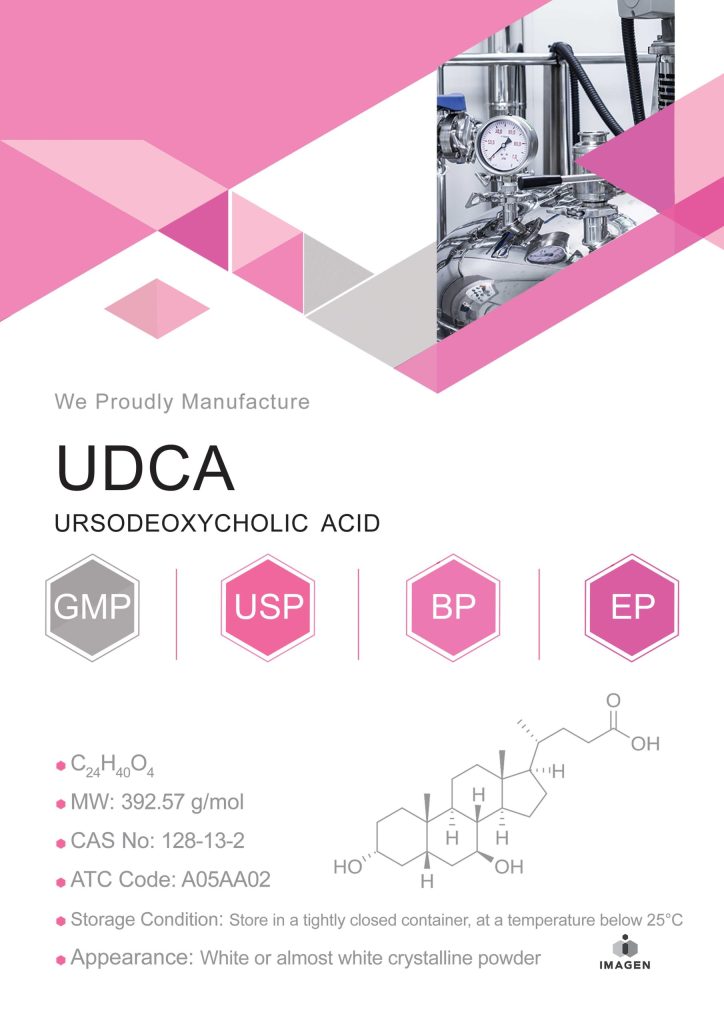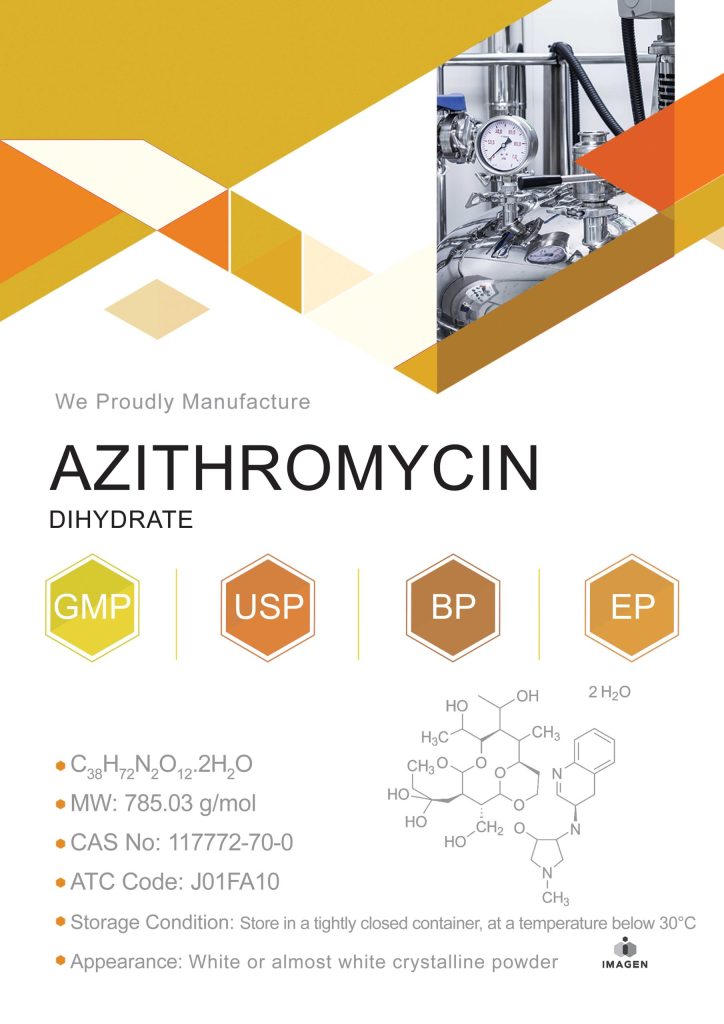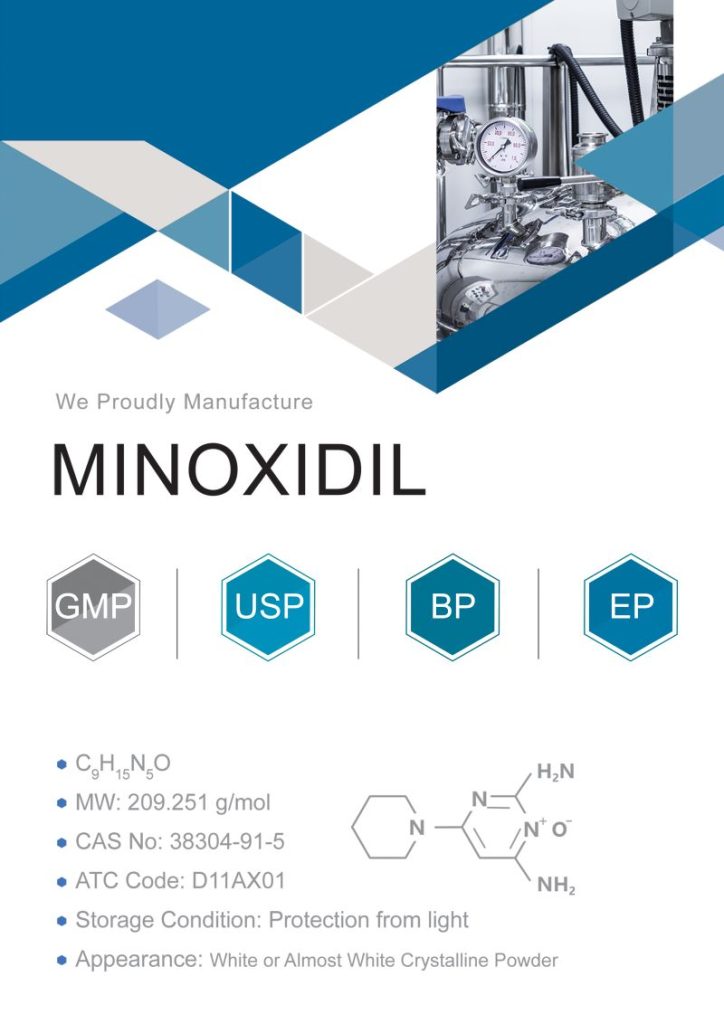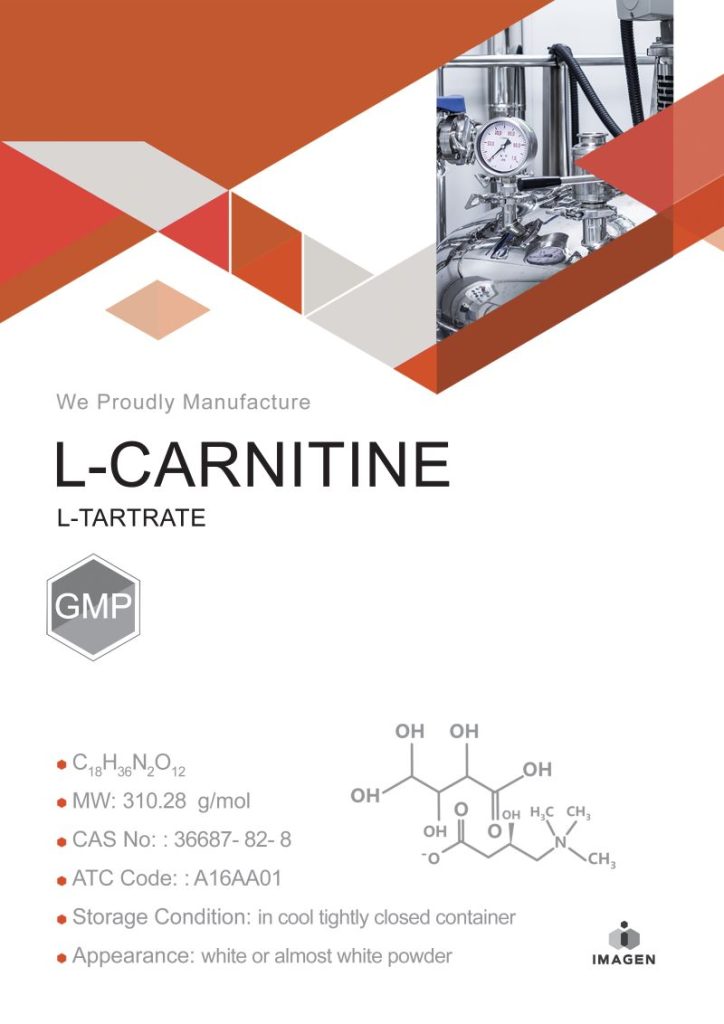
The pharmaceutical industry plays a critical role in every healthcare system, and its long-term stability depends heavily on reliable access to pharmaceutical raw materials.
In recent years, domestic API manufacturing has become increasingly important as countries seek to strengthen supply resilience and reduce dependency on imported pharmaceutical ingredients.
Active Pharmaceutical Ingredients (APIs) are the therapeutic core of pharmaceutical products. Their availability, quality, and production reliability directly influence the performance of the entire pharmaceutical supply chain.
As global markets continue to evolve, strengthening domestic production capabilities is becoming an increasingly strategic priority.
What Is Domestic API Manufacturing?
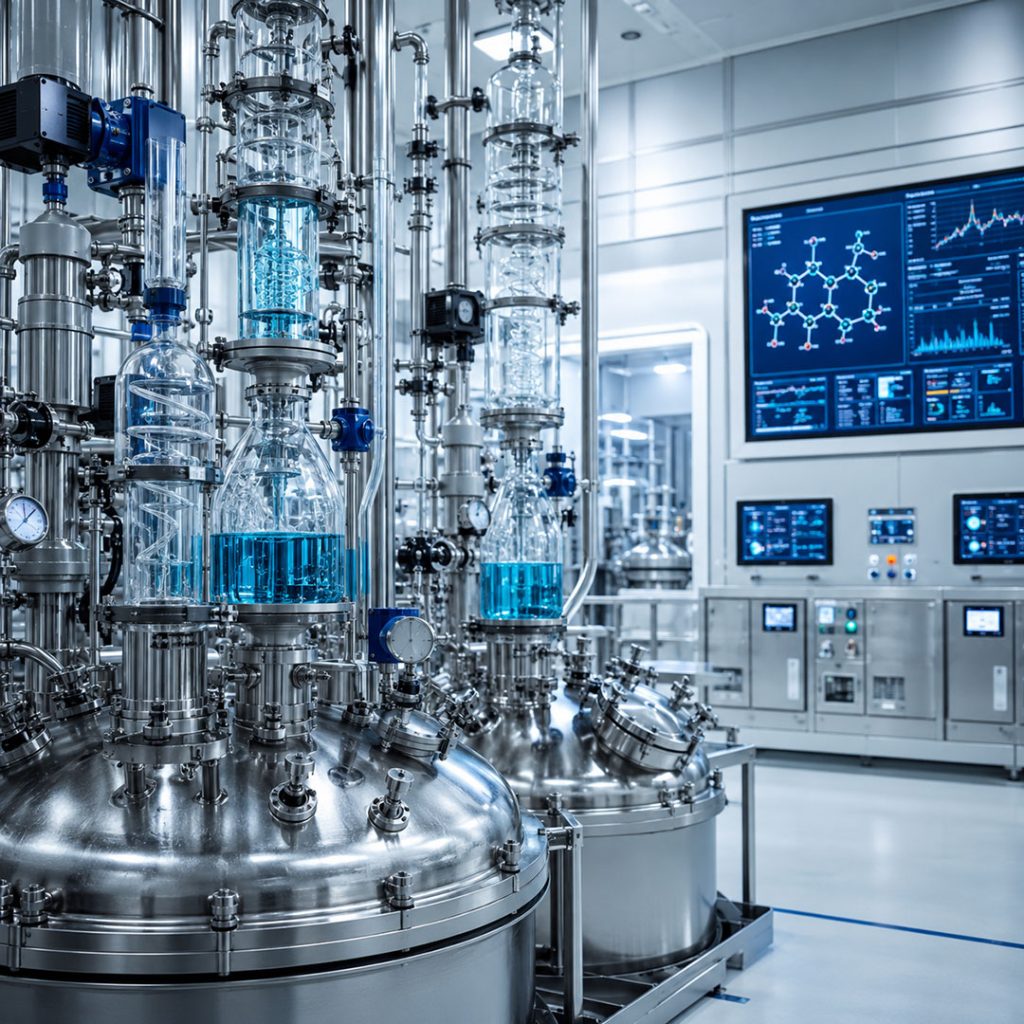
Domestic API manufacturing refers to the development and industrial production of pharmaceutical raw materials within a country’s own manufacturing ecosystem.
This process typically includes:
- Research and Development (R&D)
- Synthetic route design
- Industrial-scale production
- Quality control systems
- GMP-oriented manufacturing practices
The objective is to build sustainable pharmaceutical capabilities while reducing overreliance on external supply chains.
Why Reducing Import Dependency Matters
Heavy reliance on imported APIs may expose pharmaceutical industries to multiple challenges.
Potential risks include:
- Global supply chain disruptions
- Extended delivery timelines
- Cost volatility
- Limited production flexibility
- Reduced operational resilience
Developing domestic manufacturing capacity helps create a more stable and responsive pharmaceutical environment.
Key Advantages of Domestic API Manufacturing
1. Improved Supply Security
Local API manufacturing can reduce dependence on international disruptions and support more reliable pharmaceutical planning.
Stable supply systems strengthen long-term manufacturing performance.
2. Development of Scientific and Technical Expertise
API manufacturing goes beyond production.
It contributes to growth in:
- Pharmaceutical chemistry
- Process engineering
- Industrial capabilities
- Scientific knowledge development
These capabilities create long-term value across the pharmaceutical ecosystem.
3. Enhanced Quality Oversight
When manufacturing occurs locally, organizations gain greater visibility into production processes.
Benefits include:
- Better process monitoring
- Improved traceability
- Faster optimization cycles
- More efficient quality management
4. Greater Supply Chain Resilience
Diversifying production through domestic capabilities reduces operational risks and increases long-term sustainability.
5. Industrial and Economic Value Creation
Domestic pharmaceutical manufacturing supports:
- Industrial growth
- Technical workforce development
- Innovation ecosystems
- Expansion of manufacturing expertise
The Role of Research & Development in Strengthening Local Production
Long-term domestic manufacturing growth requires strong investment in Research & Development (R&D).
R&D contributes to:
- Process optimization
- Manufacturing efficiency
- Purity enhancement
- Development of scalable synthesis pathways
Organizations that invest in innovation are often better positioned for future growth.
Domestic Manufacturing and Quality Standards
Building local manufacturing capacity only creates sustainable value when supported by internationally recognized quality systems.
Key quality foundations include:
- GMP compliance
- Quality Assurance (QA)
- Quality Control (QC)
- Production documentation
- Traceability systems
These standards strengthen reliability and competitiveness.
Imagen’s Development-Oriented Perspective in API Manufacturing
Sustainable growth in the pharmaceutical industry depends on strengthening manufacturing capability and scientific advancement.
At Imagen Pharma, a development-oriented approach emphasizes continuous improvement and long-term industrial capability building.
This perspective includes:
- Strengthening technical expertise
- Supporting research and innovation
- Continuous process improvement
- Maintaining quality-focused manufacturing principles
Such initiatives support long-term competitiveness within pharmaceutical manufacturing.
The Future of Domestic Pharmaceutical Manufacturing
Global pharmaceutical trends indicate growing investment in:
- Smart manufacturing
- Green chemistry
- Digital transformation
- Process innovation
- Advanced industrial capabilities
Organizations that develop domestic production capabilities today may be better prepared for future market demands.
Conclusion
Domestic API manufacturing is more than an industrial initiative—it is an important component of long-term pharmaceutical sustainability.
By strengthening supply security, improving manufacturing knowledge, supporting quality systems, and reducing dependency risks, local production contributes to a stronger pharmaceutical future.
As the industry evolves, investment in innovation and manufacturing excellence will continue to shape competitive advantage.