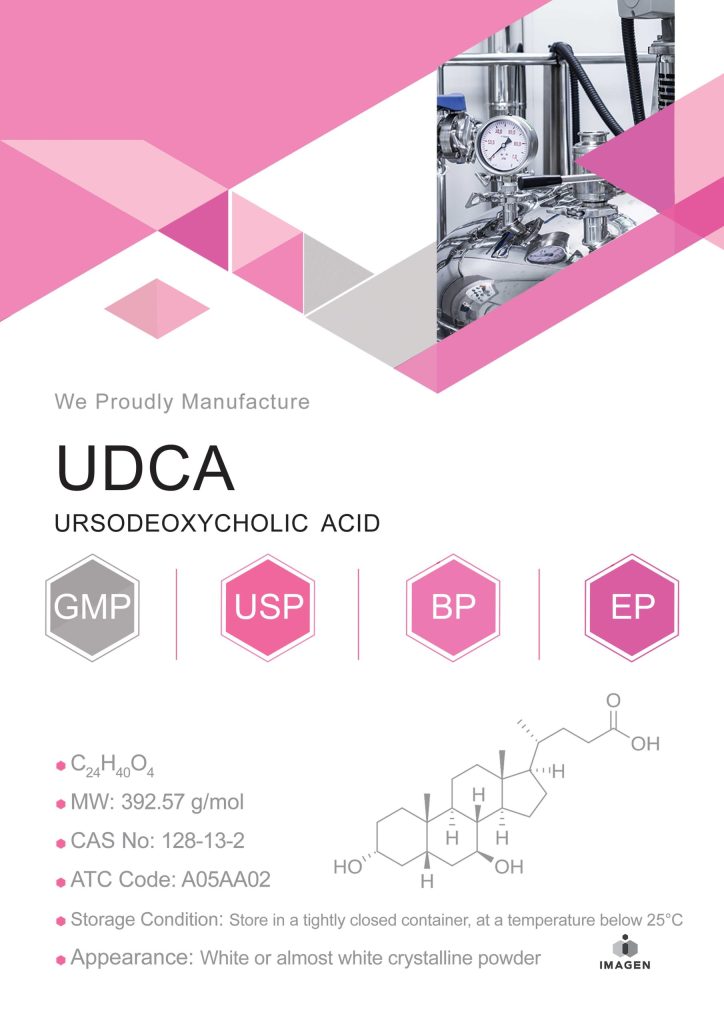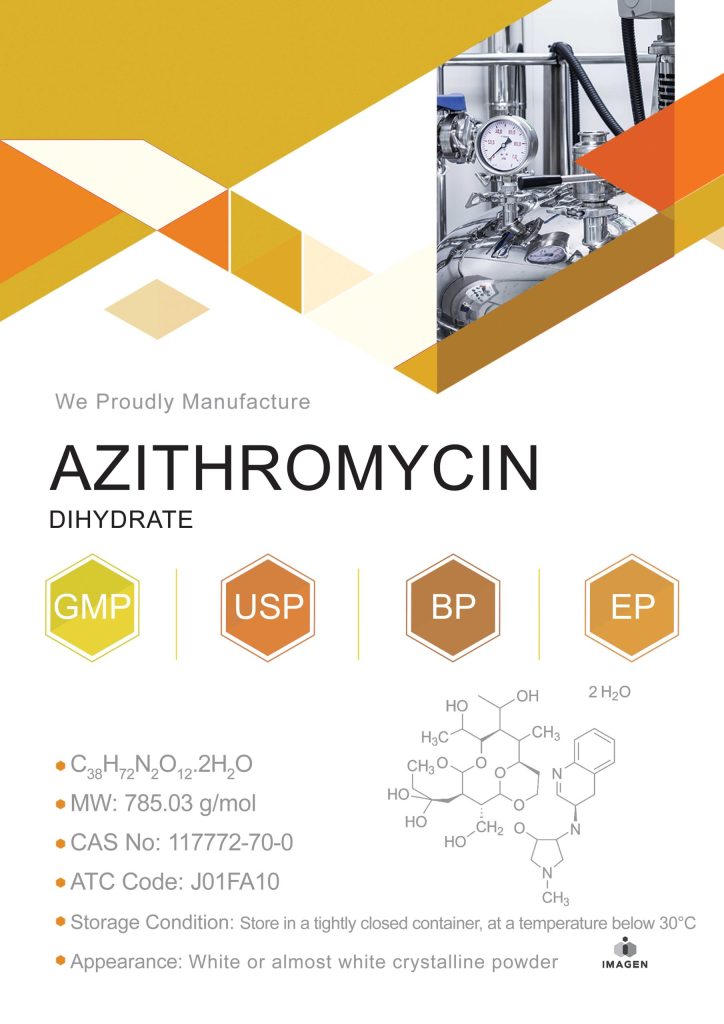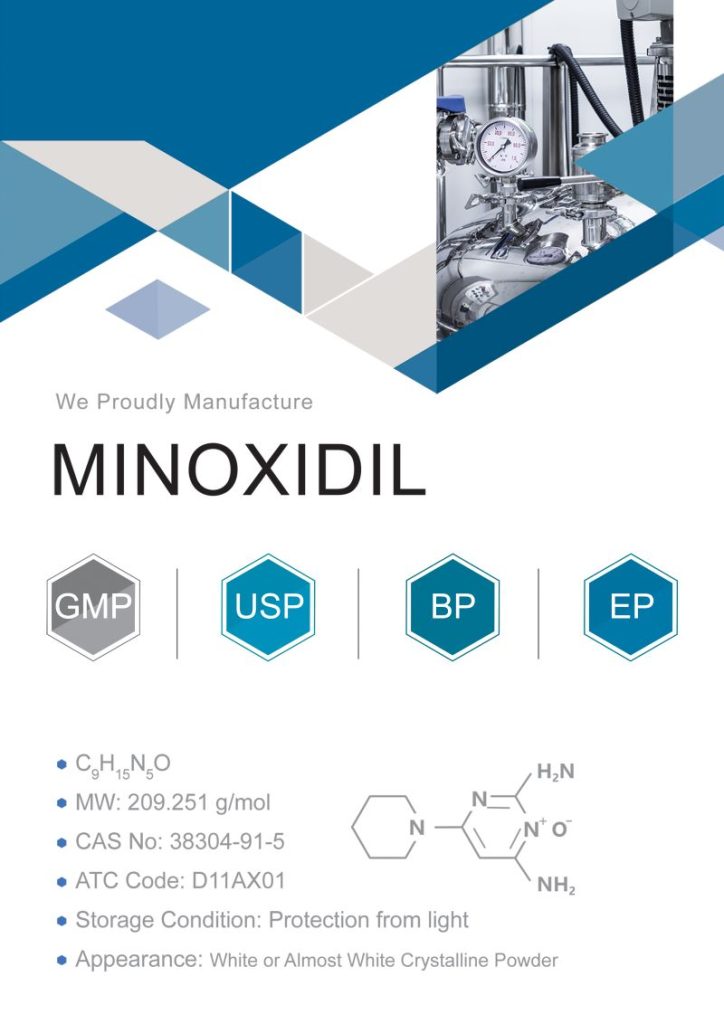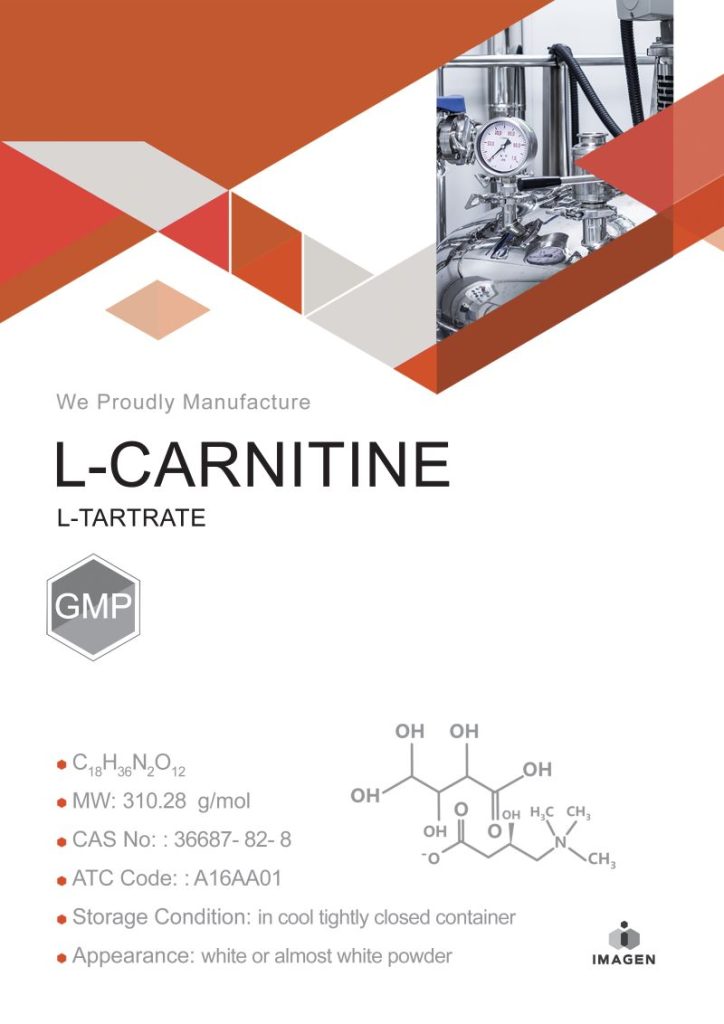
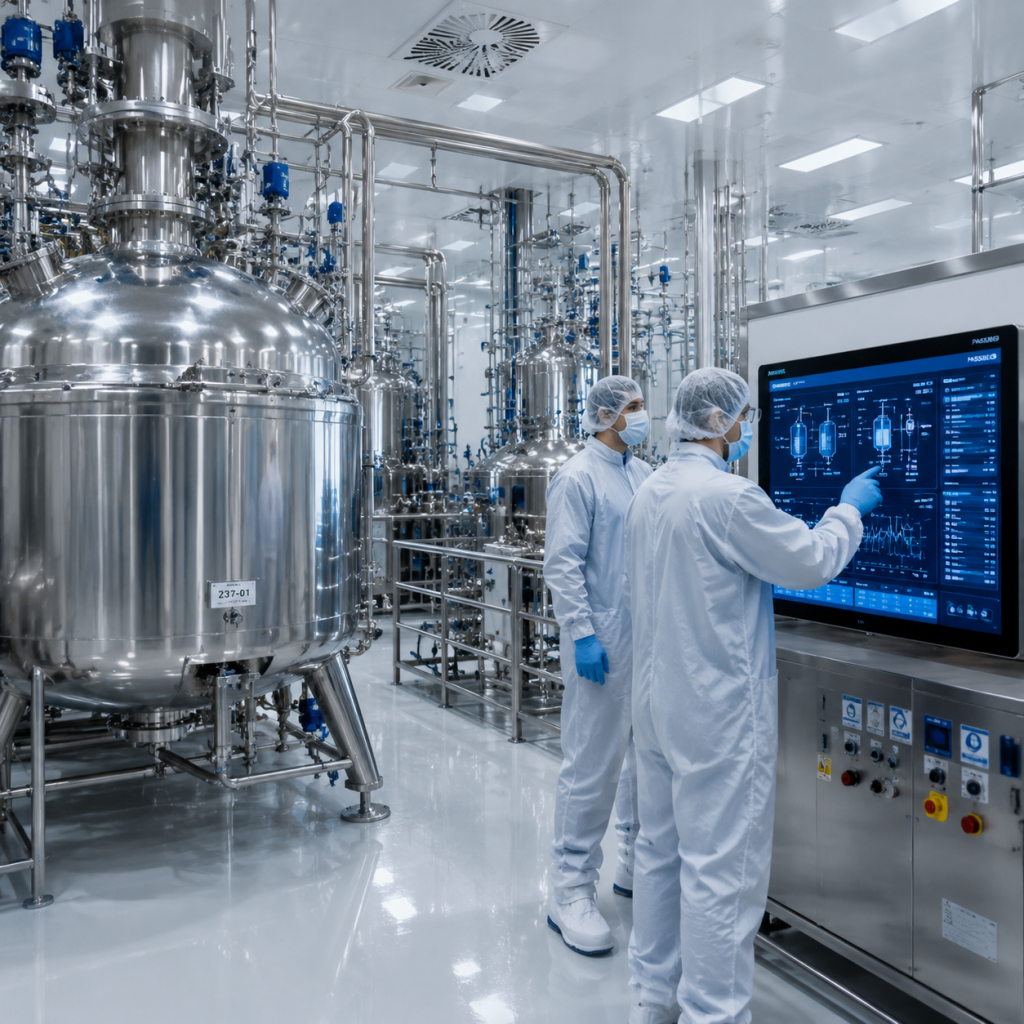
In the pharmaceutical industry, quality is not just a competitive advantage; it is a vital requirement. Every drug that reaches the consumer is the result of a set of controlled, standardized and documented processes. In the meantime, the GMP standard in the pharmaceutical industry is one of the most important frameworks that guarantees the quality and safety of pharmaceutical products.
The importance of GMP increases when we talk about the production of pharmaceutical raw materials (API); because the active pharmaceutical ingredient is the main part of creating the therapeutic effect in the drug and the slightest deviation in its quality can affect the final product.
Companies operating in the field of pharmaceutical raw materials production place the strict implementation of GMP principles at the heart of their production processes to maintain consistent quality and build trust in the market.
What is GMP?
GMP stands for Good Manufacturing Practice or “Good Manufacturing Practice”.
This standard is a set of rules and guidelines that ensure that pharmaceutical products:
are produced with consistent quality
are safe
their manufacturing process is traceable
contamination and human error are minimized
The main goal of GMP is to ensure that quality is not only checked in the final product, but also controlled from the very beginning of the production process.
Why is the GMP standard more important in API production?
Active pharmaceutical ingredients (APIs) are the heart of every drug. If the API does not have the required quality, even the best formulation cannot produce a reliable final product.
For this reason, API manufacturers are required to adhere to strict standards.
Implementing GMP in the production of pharmaceutical raw materials results in:
Increases quality consistency
Each production batch must have similar specifications so that the performance of the drug is predictable each time it is used.
Reduces the possibility of contamination
In pharmaceutical production, contamination can have serious effects. GMP reduces this risk by controlling the production environment.
Traceability
All production steps are recorded so that the product path can be traced if necessary.
Increased market confidence
Pharmaceutical companies pay special attention to compliance with the GMP standard when choosing an API supplier.
The most important GMP requirements in the pharmaceutical industry
Successful implementation of GMP is not limited to having equipment and requires a complete management system.
1. Raw material control
All incoming materials must be:
Identified
Quality checked
Documented
2. Production process control
Parameters such as:
Temperature
Pressure
Reaction time
Storage conditions
Must be continuously monitored.
3. Quality control (QC)
The manufactured product must be checked for:
Purity
Structure
Stability
Impurities
.
4. Quality assurance (QA)
The QA unit is responsible for ensuring that the entire production process is carried out correctly.
5. Complete Documentation
Every manufacturing activity must be recorded so that the process is fully traceable.
The Role of GMP in Quality Control and Export of Pharmaceutical Raw Materials
Today, international markets have strict standards, and pharmaceutical raw material manufacturing companies must have a strong quality system to be present in these markets.
The benefits of complying with GMP include:
Increase brand credibility
Export development
Reduce production errors
Improve productivity
Increase trust of industrial customers
How does Imagen follow a quality-oriented approach in production?
In the pharmaceutical raw material manufacturing industry, quality is not the result of a momentary decision; rather, it is the result of proper process design, investment in infrastructure, and continuous attention to improvement.
Imagen Pharmaceutical Company follows the path of quality-based production by focusing on the development of technical knowledge, research and development, and compliance with pharmaceutical production standards.
Imagen’s approach in this direction is based on the following:
Continuous development of processes
Attention to quality control
Adherence to pharmaceutical production requirements
Development of industrial infrastructure
Investment in research and development
This approach makes quality a part of the production culture.
The future of pharmaceutical raw material production with a quality-oriented approach
With the growth of pharmaceutical markets and increasing global competition, compliance with standards such as GMP is no longer an advantage; it is a condition for being present in the market.
Manufacturers who can:
Provide sustainable quality
Conduct active research and development
Optimize their processes
Will have a stronger position in the pharmaceutical industry in the future.
Conclusion
The GMP standard in the pharmaceutical industry is one of the most important factors in ensuring quality, safety, and sustainability in the production of pharmaceutical raw materials. Proper implementation of this standard not only improves the production process, but also provides the basis for growth, market development, and increased trust.
In the development of the pharmaceutical industry, paying attention to quality and adhering to standard production principles will play a decisive role in long-term success.