
Here is the complete English translation of your article:
What Is an Active Pharmaceutical Ingredient (API)?
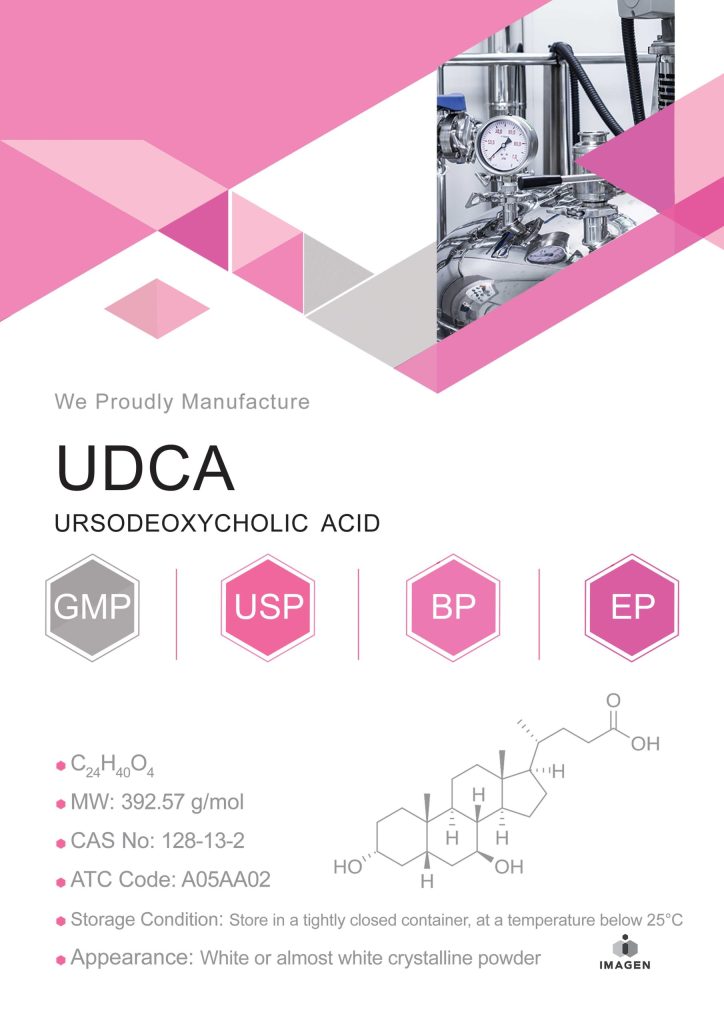
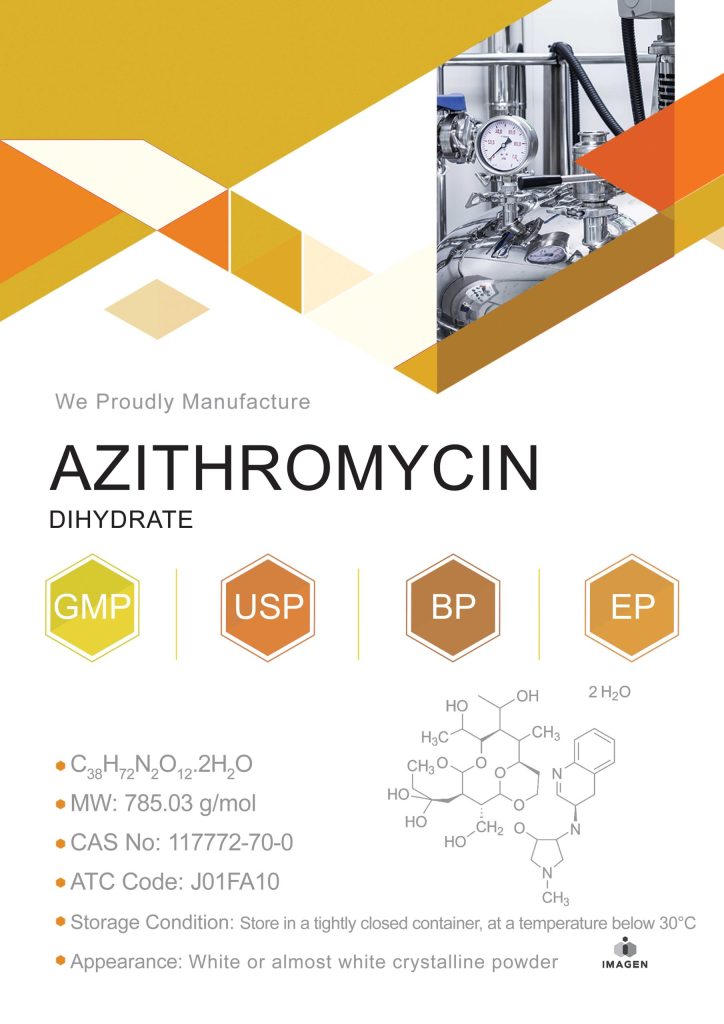
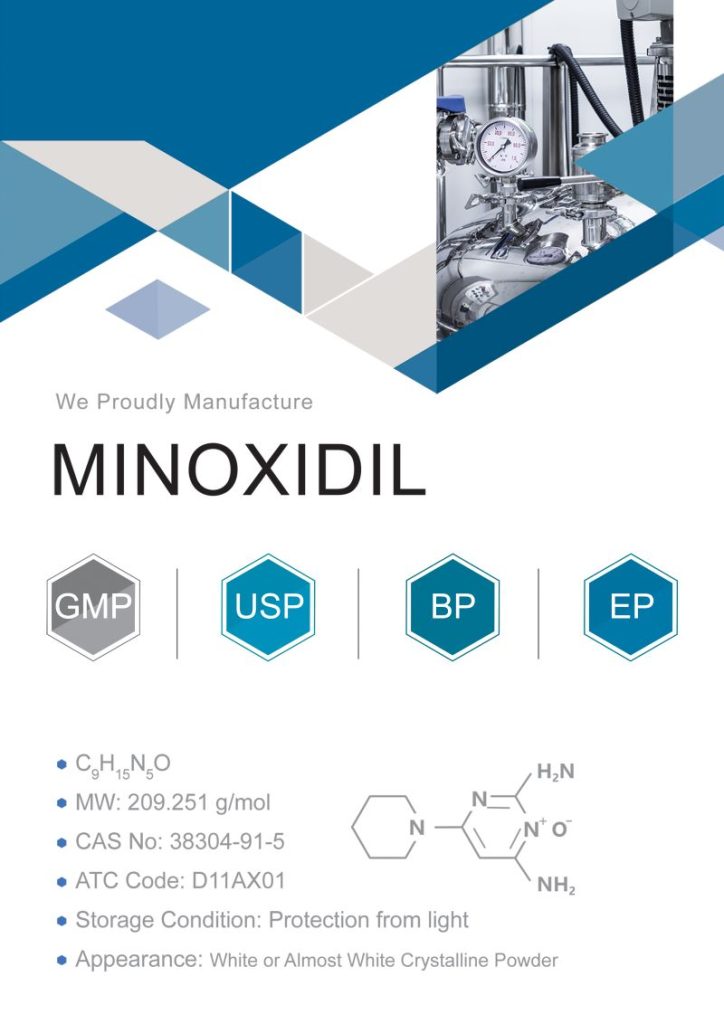
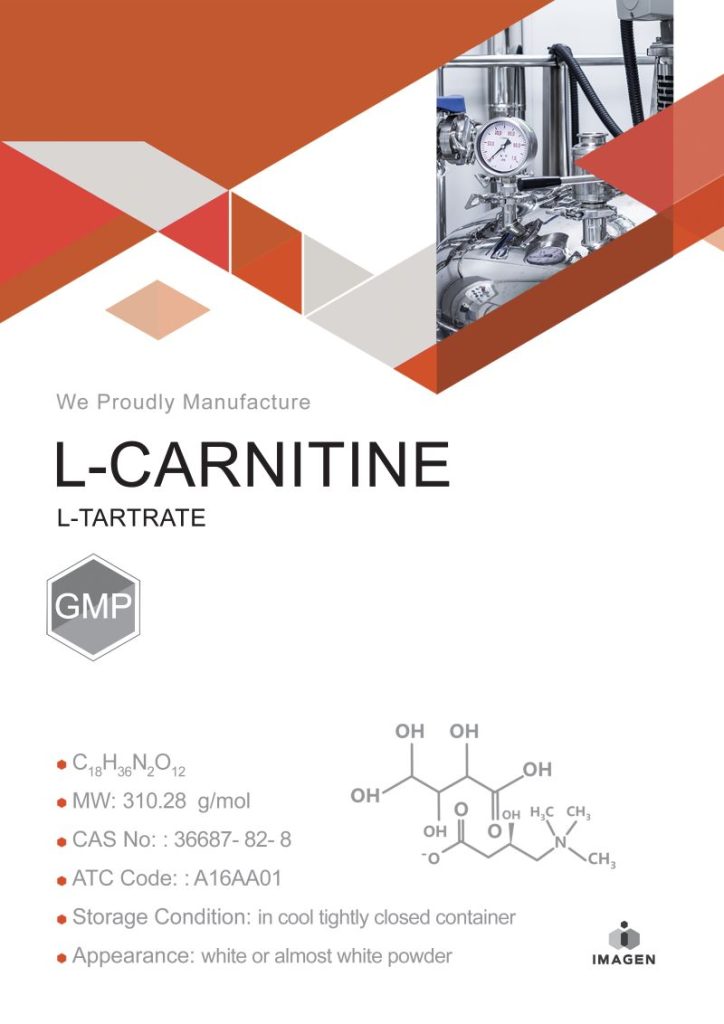
Active Pharmaceutical Ingredient (API) refers to the substance in a drug that produces its primary therapeutic effect. Simply put, if we consider a tablet or capsule, the component that directly treats the disease is the API, while the other ingredients serve as carriers or stabilizers.
In the pharmaceutical industry, the quality of the API determines the final quality of the medicine. If the active substance lacks the required purity, stability, or standards, even the best formulation process cannot guarantee the drug’s quality.
The Difference Between API and Excipients
In the production of any medication, two categories of substances are used:
1. API (Active Pharmaceutical Ingredient)
- Responsible for the therapeutic effect
- Biologically active
- Requires extremely precise quality control
2. Excipients
- Help with drug absorption or stability
- Provide the appropriate physical form (tablet, capsule, syrup)
- Have no direct therapeutic effect
For example, in an anti-inflammatory tablet, the anti-inflammatory compound is considered the API, while the other ingredients are used for shaping and stabilization.
Why Is API Production Strategically Important?
API production is not merely an industrial activity; it is a strategic issue related to national healthcare security.
1. Pharmaceutical Security
Dependence on imported APIs can disrupt the drug supply chain during sanctions or global crises.
2. Reduction of Foreign Currency Outflow
Domestic API production reduces foreign currency expenditure and strengthens the national economy.
3. Better Quality Control
When production takes place domestically, direct supervision of quality and standards becomes easier.
How Are Active Pharmaceutical Ingredients Produced?
API production is a multi-stage and complex process that includes:
🔹 Synthesis Route Design
At this stage, the research and development team designs the chemical pathway for producing the active substance.
🔹 Laboratory Testing
Determining optimal reaction conditions, temperature, pressure, and solvent type.
🔹 Pilot Production
Testing the process at a semi-industrial scale to evaluate stability and yield.
🔹 Industrial Production
After validation, large-scale manufacturing is carried out.
Challenges in API Production
API manufacturing involves significant challenges, including:
- High sensitivity to contamination
- Need for advanced equipment
- Precise impurity control
- Documentation in compliance with GMP standards
For this reason, only companies with sufficient industrial infrastructure and technical expertise can enter this field.
The Role of GMP in API Manufacturing
Implementing GMP principles in API production ensures that:
- Every production batch is traceable
- Human errors are minimized
- Product quality remains consistent
- Processes are properly documented
GMP certification is one of the most important criteria pharmaceutical companies use when selecting an API supplier.
The Future of API Production in Iran
With the growth of knowledge-based companies, expansion of R&D teams, and investment in industrial equipment, Iran’s API manufacturing industry is steadily developing. This trend can position Iran as a key regional player in the field of pharmaceutical raw materials.
Conclusion
Active Pharmaceutical Ingredients (APIs) are the beating heart of the pharmaceutical industry. The quality, purity, and stability of these substances directly affect a drug’s effectiveness. Developing domestic API production is not only an industrial advantage but also a strategic necessity for national pharmaceutical security.